Chapter 25
Climate change theories.
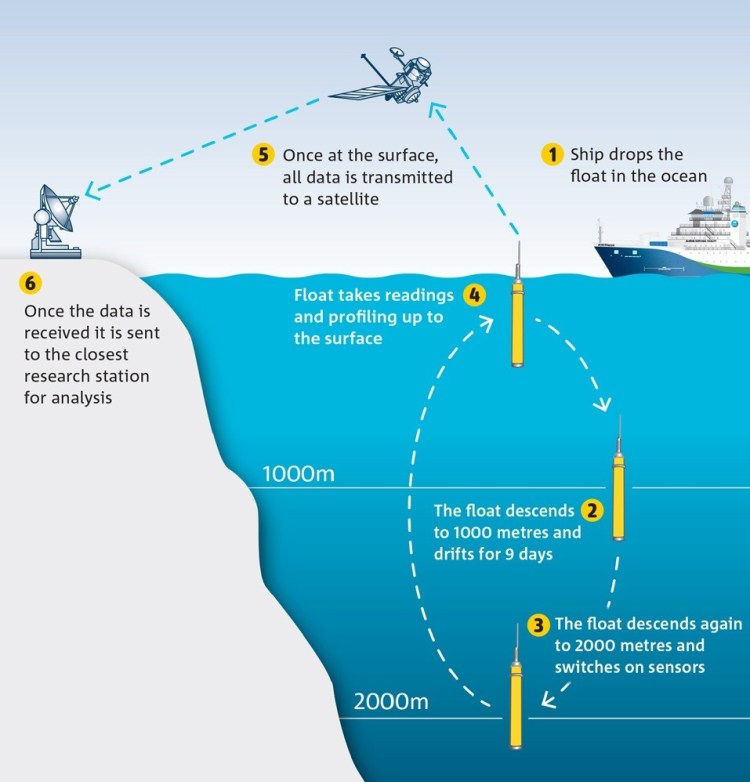
CSIRO monitoring ocean temperature and Salinity
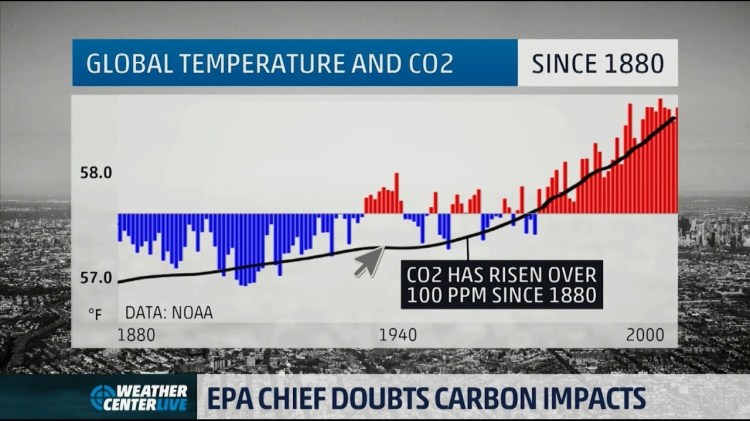
CO2 and Global Warming
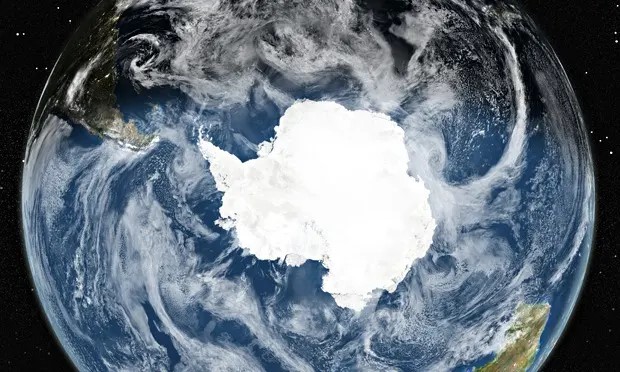
Why is Antarctic sea ice at record levels despite global warming?
Ozone Layer and Climate Change
NASA
Climate Q&A
Are the ozone hole and global warming related?
The ozone hole and global warming are not the same thing, and neither is the main cause of the other.
The ozone hole is an area in the stratosphere above Antarctica where chlorine and bromine gases from human-produced chlorofluorocarbons (CFCs) and halons have destroyed ozone molecules.
Global warming is the rise in average global surface temperature caused primarily by the build-up of human-produced greenhouses gases, mostly carbon dioxide and methane, which trap heat in the lower levels of the atmosphere.
There are some connections between the two phenomena.
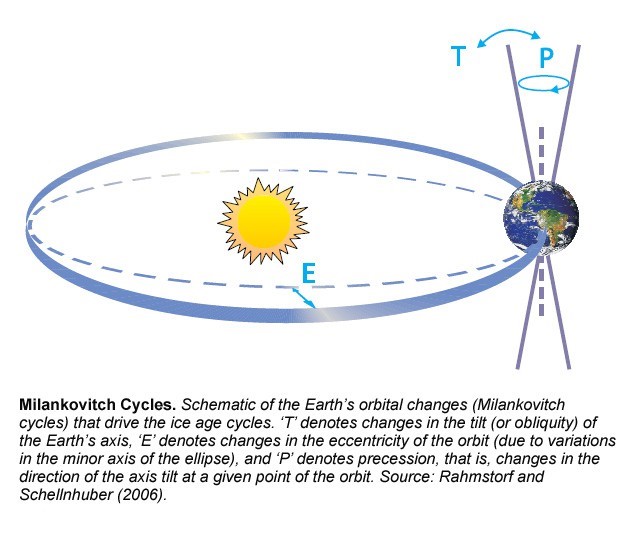
Milankovitch Cycles Eccentricity, Obliquity Tilt, Precession w/caption
These cycles increase and decrease the amount of solar forcing imposed within our climate system and that actually causes the temperature to rise and fall with calculable regularity. The more time the earth or land mass spends closer to the sun (at perihelion), the more energy it receives thus warming. The more time it spends farther form the sun (at aphelion) the less energy it receives and the earth cools.
The ‘eccentricity’ cycle period is around 100,000 years. This causes the orbit of the earth to elongate or become more elliptical. Imagine that the more elliptic it becomes, the less time during the year it spends near the sun. So the planet receives less solar energy and cools a bit.
The ‘obliquity’ cycle tilts the earth every 41,000 years and that causes the land mass of the norther hemisphere to face more towards the sun or less towards the sun.
The ‘precession’ cycle occurs about every 26,000 years and influences the wobble of the polar axis. This also influences earths climate by causing winters and summers to be warmer or colder depending on the amount of land surface being more or less exposed to the sun.
These are three main influences considered in the Milankovitch theory that regulate the general amount of energy received in our earth climate system. As we warm and cool, more or less of our natural greenhouse gases are released into the atmosphere, or stored in the oceans, ice and earth
 Andrew Dyhin